Recipes & Tips

How to enjoy uppinakai the traditional way, pairing ideas, storage tips, and more.

How to Enjoy Mango Uppinakai

How to Enjoy Mango Uppinakai

Mango uppinakai is more than a condiment—it's the soul of a South Indian meal. Here's how to savor it the traditional way.

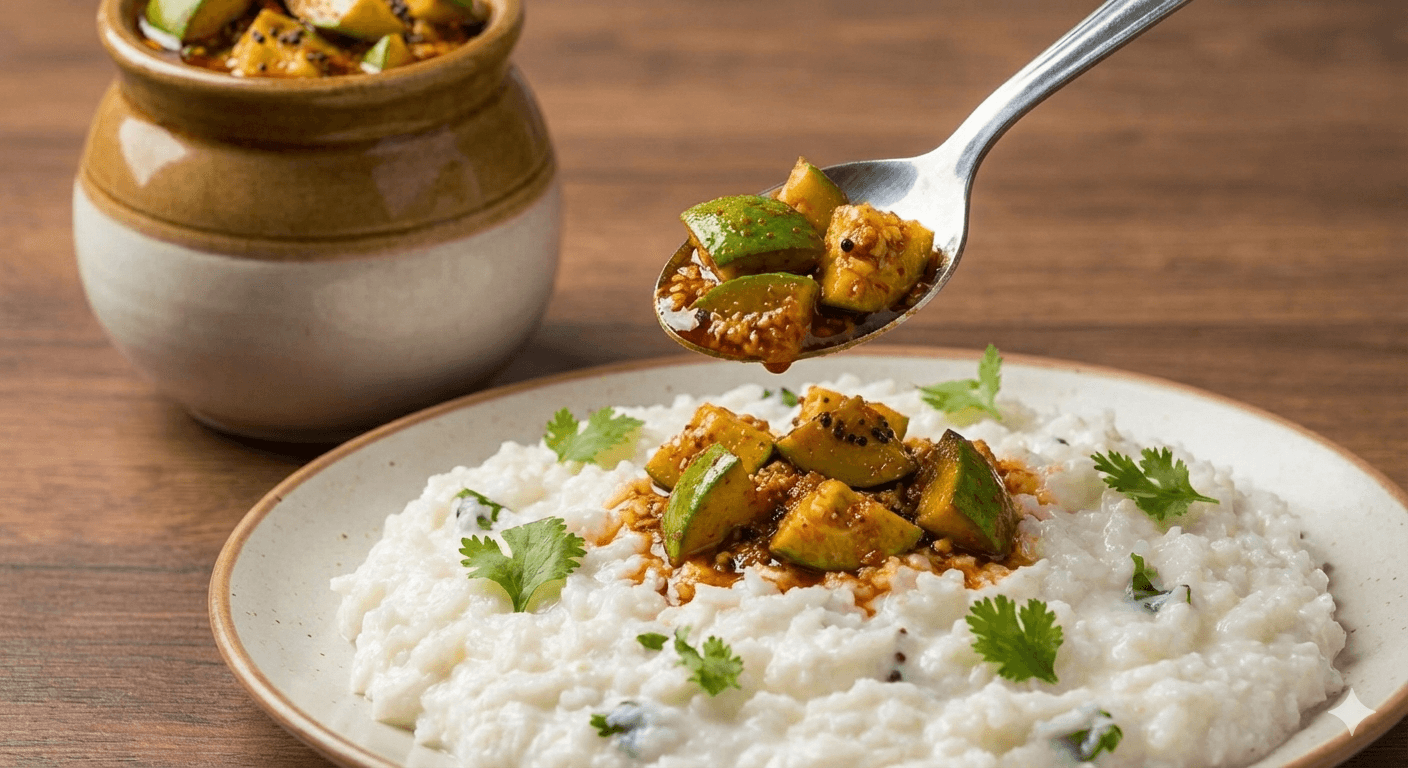
Take a small portion (about a teaspoon) and place it on the side of your plate. With each bite of chapati or rice, add a tiny bit of uppinakai. The combination of warm, soft chapati with the tangy-spicy uppinakai creates a perfect balance. Never mix the entire portion into your food—the joy is in controlling each bite.

  • Serve at room temperature for best flavor
  • Use a dry spoon to prevent spoilage
  • Store in a cool, dry place away from direct sunlight
Pairing Uppinakai with Meals

Pairing Uppinakai with Meals

The right uppinakai can transform an ordinary meal into something memorable. A quick guide to traditional South Indian pairings.

**Mango Uppinakai** pairs beautifully with plain rice, bisi bele bath, or chapati. The tanginess cuts through the mildness of sambar rice. **Nimbe Uppinakai** complements ven pongal and curd rice—the citrus cuts the richness. **Nelli Uppinakai** adds a tart punch to chapati and curd rice. **Tarakari Uppinakai** is perfect as a sweet-tangy condiment with bread or chapati. Experiment and find your favorite combination!

Storage & Shelf Life

Storage & Shelf Life

Traditional uppinakai, made with quality oil and no preservatives, last longest when stored correctly.

Always use a dry, clean spoon when scooping uppinakai. Moisture introduces bacteria. Keep the jar tightly sealed and store in a cool, dry place—a pantry works well. Avoid refrigeration unless the jar has been opened and you live in a humid climate. Unopened, our uppinakai have a shelf life of 12–18 months. Once opened, consume within 3–6 months for best flavor.

  • Never store uppinakai in plastic—use glass or ceramic
  • If oil separates, that's normal—give it a gentle stir
  • A layer of oil on top acts as a natural seal